Modern houses depend much on a well-maintaining electrical system to guarantee the comfort, safety, and utility of the occupants. From running basic appliances and equipment to guaranteeing a consistent supply of lights, the electrical system is a necessary component of every day living.
Maintaining and enhancing the system as per the changing demands and technological developments depends on electrical services including installation, repair, and maintenance. Homesowners run many hazards without these services including electrical shocks, electrical fires, and power outages.
Common electrical services include installation and maintenance of outlets, switches, circuit breakers, lighting fixtures, and electrical appliances as well as wire. Regular maintenance enables the identification of any problems, therefore saving mistakes and expensive repairs. These also guarantee adhering to rules of safety.
The advantages of a well-maintained electrical system in contemporary houses will be discussed in this article along with a quick review of common electrical services and their indispensible importance in preserving efficiency and safety.
Understanding Your Home’s Electrical System
All that constitutes a household electrical system is wire, circuit breakers, outlets, and switches. Every piece of electrical equipment in the home is connected via wire, which also moves power across. By fast switching off the power, circuit breakers serve as safety devices protecting the electrical system from overload and short circuits. While outlets offer the connections for appliances and electronics hooking in, switches control the flow of power to lights and other fixtures.
Knowing how power flows through your home can help you to be efficient and safe. The electrical system runs the house from the utility supplier usually starting at the main service panel or breaker box. From there, it is transmitted to many circuits throughout the house, running appliances and energy to different places. Preventing overloading and fire risks depends on your knowing of the design and capability of your electrical system. It helps you to prevent running too many appliances on one circuit and to fairly spread the electrical demand.
Troubleshooting electrical problems, doing do-it-yourself projects, or deciding which new or upgraded equipment to install depending on the electrical system of your house depend on knowing about it. It guarantees that you understand the electrical capacity and limits of your house, therefore encouraging safety and helping to avoid electrical accidents.
Common Electrical Issues and Their Causes
Consistent common electrical problems such tripped circuit breakers, flickering lights, and malfunctioning outlets plague many houses. Among the many causes these problems might result from would be regular wear and tear, overloaded circuits, and aging wiring.
One commonly found source of electrical issues is old wiring. Over time, the electrical wiring in a house might deteriorate and lead to flickering lights or irregular power supply. Older homes might sometimes lack enough wiring to satisfy the greater electrical demand of modern appliances and equipment.
Another often recurring cause of electrical problems are overloaded circuits. Many connected electrical gadgets run the risk of overloading one circuit and setting off the circuit breaker. Those who use too much extension cable or plug too many gadgets into an outlet might discover this occurring.
Also driving electrical problems is wear and tear. The electrical components in a house—outlets, switches, circuit breakers—may degrade or undergo damage over time. From this might follow defective outlets, erratic power supply, or even electrical fires.
One should be on lookout for warning signals suggesting likely electrical risks. Usually among these indications are warm to the touch outlets, tripping circuit breakers, flickering or dimming lights, and a burning smell coming from either an electrical outlet or device. Should any of these warning signs show, it is imperative to treat the condition quickly to prevent further electrical problems or other safety issues.

DIY Electrical Maintenance Tips
To guarantee the safety and operation of their electrical systems, homeowners must follow do-it-yourself advice on maintenance. Typical routine inspections should include breaker panels, cable inspection, and testing outlets. Testing outlets allows homeowners find any defective ones that can cause fire or electrocution. Preventing electrical risks depends on looking for damage or fraying in cord. Immediately replacing damaged cables will help to prevent such mishaps.
Another essential stage in do-it-yourself electrical repair is checking breaker panels. Homeowners should make sure the breakers have correct labels and damage or overheating is not evident. This behavior might help to prevent overloads and subsequent electrical fires.
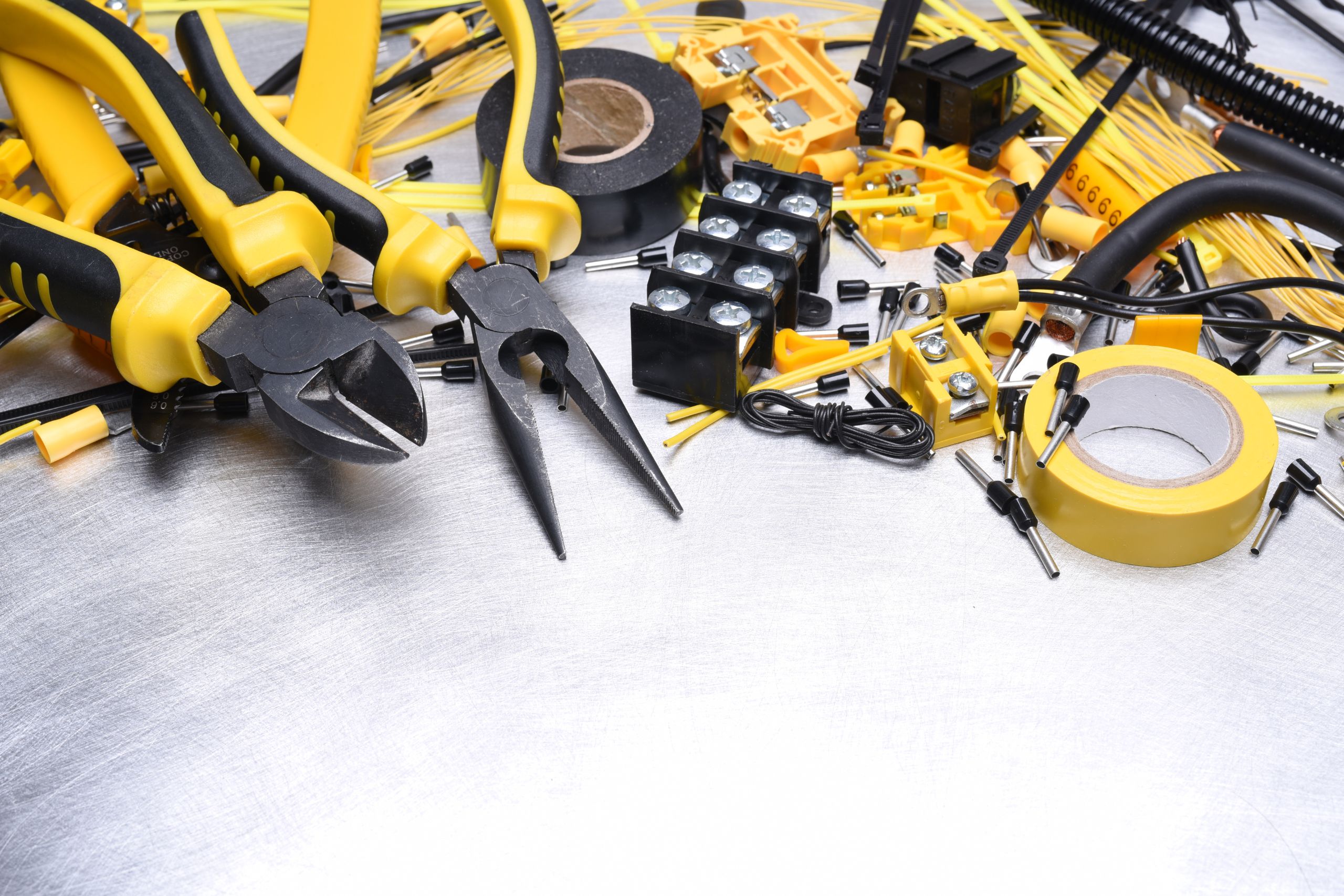
One of the safety measures for handling modest electrical repairs and maintenance is wearing appropriate protection gear and tools. Homesowners should always make sure they have the correct tools for the task—such as wire cutters or screwdrivers—and wear safety gloves and goggles to save themselves from electric shocks and other hazards.
Those who want to actively search and avoid any issues have to perform do-it-own electrical maintenance. Regular inspections, safety recommendations, proper equipment and protective gear enable homeowners to ensure the running of their electrical systems.
When to Call a Professional Electrician
Regarding electrical work, there are various situations where expert electrician knowledge is rather essential. These conditions include new installations, major rewiring, and continuous issues.
Big rewiring projects might be challenging and require time. It demands a good grasp of electrical systems as well as the ability to control sometimes harmful situations. A certified electrician guarantees correct and safe completion of the task; professionally trained to manage the complexity of rewiring operations.
Continuous electrical problems can indicate the necessity of expert advice. These may call for tripped circuit breakers, regular power outages, or flickering lights. A trained electrician who also provides a long-lasting solution can help one discover the basic source of these issues.
When it comes to new installations, calling a qualified electrician ensures safety and code compliance. Whether it’s installing a new electrical panel, adding extra outlets, or mounting lighting fixtures, a qualified electrician can ensure that everything is done right and up to code.
Working on outside of basic maintenance home electrical modifications might be harmful. One runs the danger of electrocution, electrical fires, or system breakdown without the correct expertise and training. Ideally equipped to handle any electrical task beyond simple maintenance is a qualified electrician.
The safety and effectiveness of electrical systems are primarily depending on professional electricians. Their knowledge permits them to supervise demanding electrical projects, therefore guaranteeing safe, effective, and up to code completion of the job.
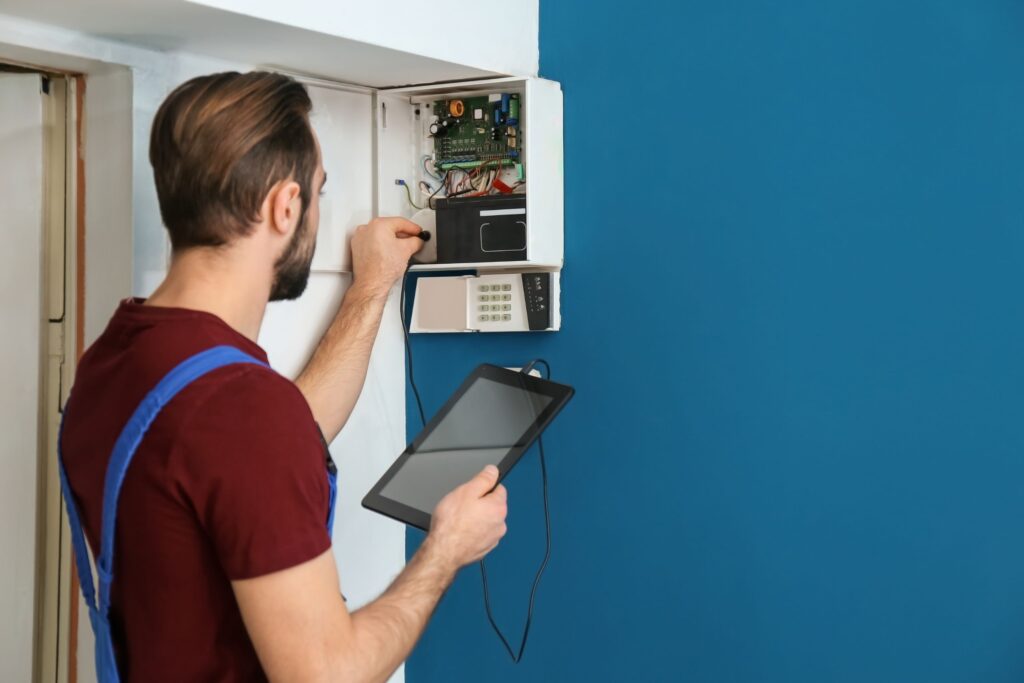
Choosing the Right Electrical Service Provider
A few important factors should direct your decision on a qualified and trustworthy electrician for home maintenance and repair services. First of all, you should find out if the electrician has the licenses and certifications needed to work at your place. These certificates guarantee their subject-matter expertise and skill level.
One also searches for experience heavily while selecting an electrician. Hiring someone with a lot of expertise managing such tasks to yours is advised. This guarantees their required knowledge to address any electrical issue that might develop.
Another rather crucial stage in choosing the appropriate electrical service company is confirming referrals and evaluations. Analyzing past customer comments can help you to value the electrician’s professionalism, dependability, and job quality. Similarly, requesting references from former customers lets you interact personally with others who have dealt with the electrician and get comments.
Getting many estimates from several electricians helps you to guarantee that you are paying a reasonable amount for the rendered services. One should evaluate the value for money each electrician provides by comparing these quotations.
Ask a few key questions of an electrician before you engage them. These might include their availability, project completion schedules estimate, and any other fees or charges that could be applicable. Through these questions, you may assess their professionalism and ensure your knowledge of their method of approach.
Spending time to look into and create suitable questions will help you choose which electrical service company best suits you.

Conclusion
Basically, regular electrical maintenance and quick repairs define the safety and running state of a property. Electrical safety should be primary concern for homeowners; when needed, they should consult professionals as electrical issues might be dangerous and maybe lead to fires or other accidents. By means of regular maintenance, electrical systems assist to identify and resolve any problems before they become major reasons of concern. This helps to prevent costly repairs and assures the lifespan of appliances and systems. Homeowners are advised to go further on the site for comprehensive home maintenance suggestions as it covers a wide range of topics to help them to properly maintain and care for their dwellings.