Every homeowner has to keep their working plumbing system. Lack of proper plumbing may make everyday living rather tough and unpleasant. From cooking and cleaning to bathing and bathroom use, our fundamental requirements depend on a well operating plumbing system. This article will explain the requirement of maintaining a functional plumbing system in every home along with a review of common plumbing issues faced by house owners. We will also look at achievable plumbing maintenance and repair tips. Understanding the need of a well-maintaining plumbing system and using efficient maintenance methods can help homeowners avoid serious plumbing issues and guarantee a flawless and hassle-free experience.
From spotting and fixing typical plumbing problems to putting preventative actions in place, the next sections will cover all the key elements of plumbing maintenance to let homeowners keep a dependable and effective plumbing system in their houses.
Learning the Plumbing System of Your House
Made of a sophisticated network of pipes, fittings, and appliances trying to ensure the ideal flow of water and suitable waste disposal, the basic house plumbing system is Usually pipes, fittings, water heaters, drain systems define a residential plumbing system.
The major channels water runs in and out of the home via are pipes. Usually composed of many materials, these pipes might be galvanized steel, copper, or PVC. They are linked to provide water to many residential appliances like washing machines, toilets, showers, and sinks as well as other fixtures.
Fixtures are the appliances including washing machines, toilets, showers, and faucets that either utilize or provide water. Connected to the water supply pipes, these fittings are very important for regulating domestic water flow and distribution.
Essential to the plumbing system, the water heater warms and provides hot water to many dwelling fixtures, including sinks and showers, thereby supplying Its correct operation is essential to provide the household’s hot water needs, hence it may be run on gas, electricity, or oil.
The maintenance of your home relies on your understanding of its plumbing layout. Knowing the system will help you to locate shut-off valves, undertake basic troubleshooting, and identify any issues. Knowledge of the layout helps also with efficient repairs and upgrades as well as emergency preparation.
Proper maintenance and quick problem solving in your property rely on an understanding of the key features and construction of its plumbing system. Knowing your plumbing system will save you time, money, and frustration over time.
Common Plumbing Problems and Their Causes
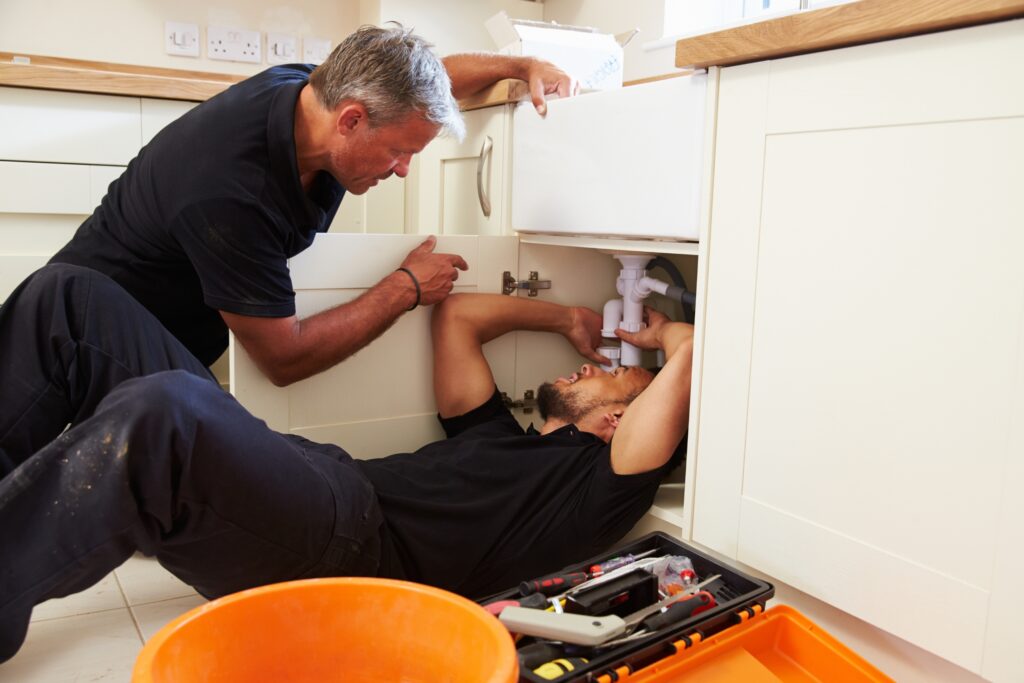
Common occurrence in homes, plumbing problems may be bothersome and unpleasant. Knowing the reasons of these issues will let house owners avoid them and respond quickly. Common plumbing problems along by their causes are listed here:
- Leaks: Aging pipes, corrosion, or damage brought on by outside events as tree roots or cold temperatures may all lead to leaks.
- Clogs: Two probable causes are hair, soap scum, grease, or another material obstructing the pipes.
- Low water pressure: Might come from weak pressure regulators, pipe corrosion, or mineral deposits or deposition inside the pipes.
- Running toilets: Common theories of broken flapper valves or defective fill valves explain running toilets—which waste water.
- Dripping faucets: Could come from worn-out washers, faulty valves, or too high water pressure.
- Water heater issues: Might include failing heating components creating fluctuations in hot water or water temperature, silt accumulation, broken thermostats, or other.
Important symptoms of plumbing problems are also damp areas, mold development, bad smells, sluggish drains, or excessively high water bills. Frequent maintenance and fast response assist to avoid significant plumbing issues and save homeowners expensive damage and repairs.
DIY Plumbing Maintenance Tips
Tips for do-it-yourself plumbing maintenance assist homeowners avoid costly repairs and maintain the condition of their plumbing systems. Homeowners have regular maintenance responsibilities include minor repairs, cleaning and maintaining drains, and leak detection.
Regular hot water and baking soda flushing away any trash helps homeowners avoid obstructions and preserve drains. Blockings could also come from emptying coffee grounds, oil, or grease down the drain. Drain screens or strainers help to catch small particles such hair, soap scum, and other trash that could accumulate in the drains.
Maintaining a plumbing system requires constant search for leaks. Advice is to have homeowners routinely check any apparent pipes and fittings for any signs of leaks—such as dampness, discoloration, or water puddles. They should also check the water meter looking for any hidden leaks. Early tiny leaks repairs assist to prevent water waste and damage to plumbing systems.
Safe little repairs are also very vital for do-it-yourself plumbing maintenance. Home owners should always switch off the water flow before beginning any repairs. Knowing the basics of plumbing, such how to replace a washer or use a plunger, may help students to correctly and securely tackle tiny difficulties.
Following these do-it-yourself plumbing maintenance rules helps homeowners preserve the state of their plumbing systems and save expenses on repairs. Still, for complex or major issues it is advisable to consult a professional plumber.
Signs to Call a Professional Plumber
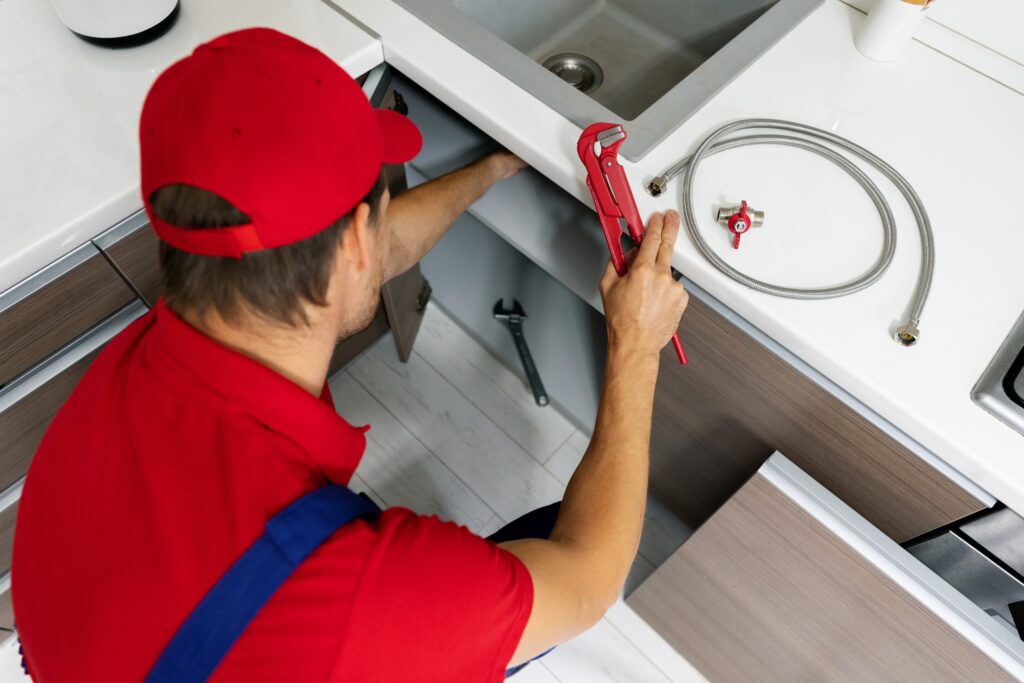
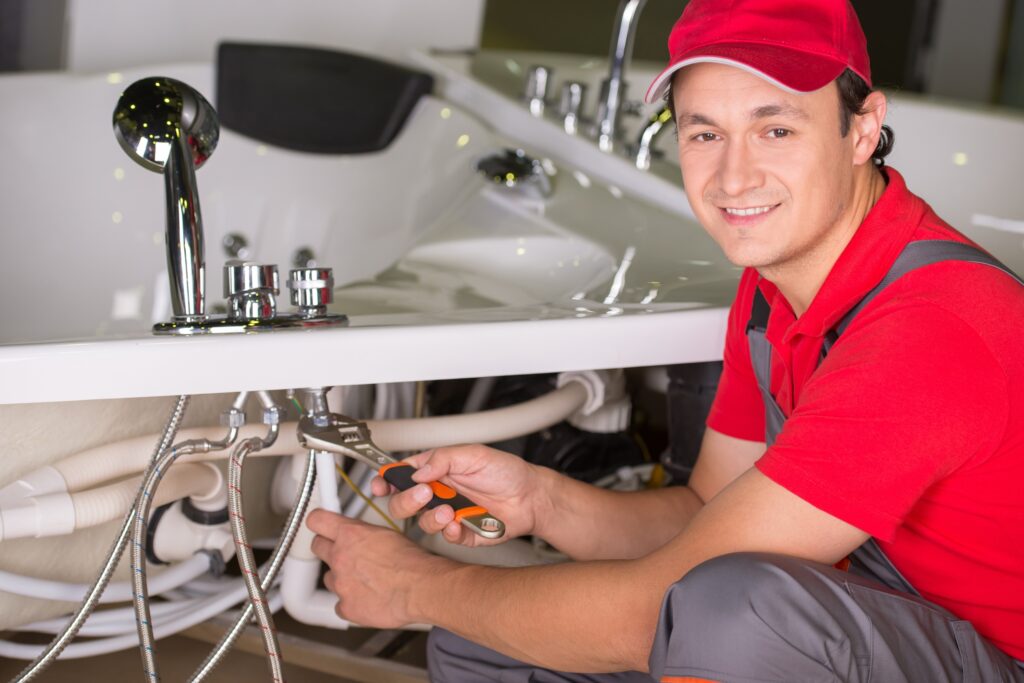
Regarding plumbing problems, there are many indicators that point to when one should contact a skilled plumber from home maintenance and repair services. Among these symptoms include sluggish drains, water leaks, poor water pressure, and sewage backups. Frequent impediments also show themselves. These difficulties might point to more major ones needing specialized knowledge to find and correct.
For difficult plumbing work, see approved plumbers. Equipped with tools, education, and experience, license plumbers can manage a spectrum of plumbing issues. Using a qualified plumber guarantees that the work is done in line with codes, therefore lowering the future danger of further damage or expensive repairs. Training on spotting the basic source of the problem and offering suitable fixes guarantees this.
Choosing a good plumbing company requires one to weigh many elements. Seek for plumbers with outstanding industry reputation, licenses, and insurance. Look around the internet and compile suggestions from neighbors, acquaintances, or relatives. To assure dependability and quality, one should also choose a plumber presenting a warranty or guarantee for their services.
If one has specific plumbing problems, one should see a certified plumber for guidance. Hiring seasoned plumbers for challenging tasks may assist to guarantee consistent and excellent answers. While choosing a plumbing service firm, one should take into account factors such warranties, reputation, insurance, and licencing.
Conclusion
Therefore, preventive plumbing repair is rather crucial to guarantee the lifetime and appropriate operation of the plumbing system of your house. Regular inspections, leak detection, and minor problem addressing let homeowners avoid costly repairs and water damage before they become serious concerns. Following the advice in this article can help homeowners manage their plumbing upkeep and avoid embarrassing and expensive plumbing crises. As a proactive approach to maintenance may reach other parts of the house as well, people can investigate other blog entries for additional home maintenance ideas. Recall that a little amount of work today will help greatly save money and future difficulties.